
- Don’t Wait Until Things Get Serious
- 1. Difficulty Breathing or Abnormal Breathing
- 2. Persistent Vomiting and Diarrhea
- 3. Accidents and Injuries
- Key features:
- Proactive early treatment increases the chances of recovery.
- 1. 24/7 Pet Emergency Services
- 2. Examination and Treatment of Dogs and Cats
- 3. Veterinary Surgery
- 4. Inpatient Treatment
- Does Pet Joy offer overnight veterinary services in Ho Chi Minh City?
- When should you take your pet to the emergency room immediately?
- Does Pet Joy offer after-hours appointments?
- Does Pet Joy provide treatment for dogs and cats?
As a pet owner, you want your furry companion to live a long, healthy, and happy life. While providing nutritious food, regular exercise, and plenty of love are essential, one of the most important aspects of responsible pet ownership is keeping up with your pet’s vaccination schedule. Vaccinations are a simple yet powerful way to protect pets from serious diseases and ensure they enjoy lifelong health and well-being.
What Are Vaccinations and How Do They Work?
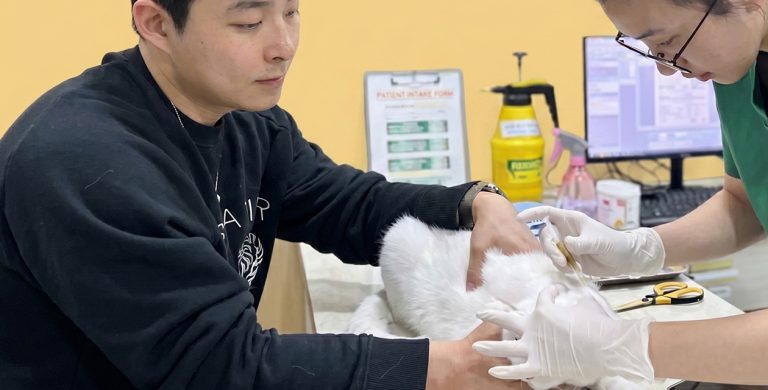
Vaccines help prepare your pet’s immune system to recognize and defend against specific viruses and bacteria. When a vaccine is administered, it safely exposes the immune system to a weakened or inactive form of a disease-causing organism. This allows the body to build immunity without causing the illness itself.
As a result, if your pet is exposed to the disease in the future, their immune system can respond quickly and effectively, reducing the risk of severe illness or complications.
Why Are Annual Vaccinations Important?
Many pet owners assume that vaccinations are only necessary when their pet is young. While puppies and kittens require a series of initial vaccinations, ongoing annual or veterinarian-recommended booster vaccines are equally important.
Many pet owners assume that vaccinations are only necessary when their pet is young. While puppies and kittens require a series of initial vaccinations, ongoing annual or veterinarian-recommended booster vaccines are equally important.
Annual vaccinations help:
- Maintain strong immunity against infectious diseases.
- Protect pets as immunity naturally decreases over time.
- Reduce the spread of contagious diseases within the community.
- Prevent costly medical treatments and emergency care.
- Support overall long-term health and wellness.
Keeping vaccinations up to date is one of the easiest and most effective ways to safeguard your pet’s health.
Diseases Vaccinations Can Help Prevent
Vaccinations protect pets against a variety of potentially serious illnesses. Depending on your pet’s age, lifestyle, and risk factors, your veterinarian may recommend protection against diseases such as:
For Dogs
Rabies
Distemper
Parvovirus
Adenovirus (Hepatitis)
Leptospirosis
Bordetella (Kennel Cough)
For Dogs
Rabies
Feline Panleukopenia
Feline Herpesvirus
Calicivirus
Feline Leukemia Virus (FeLV)
Many of these diseases can cause severe health complications and may even be fatal if left untreated.
The Benefits of Staying on Schedule
Following a consistent vaccination schedule offers benefits beyond disease prevention. Vaccinated pets are generally healthier, experience fewer serious illnesses, and are better protected when interacting with other animals.
Additional benefits include:
Greater peace of mind for pet owners.
Reduced veterinary treatment costs.
Protection during travel and boarding.
Compliance with local vaccination requirements.
Improved quality of life for your pet.
Preventative care is always more effective—and often less expensive—than treating an illness after it occurs.