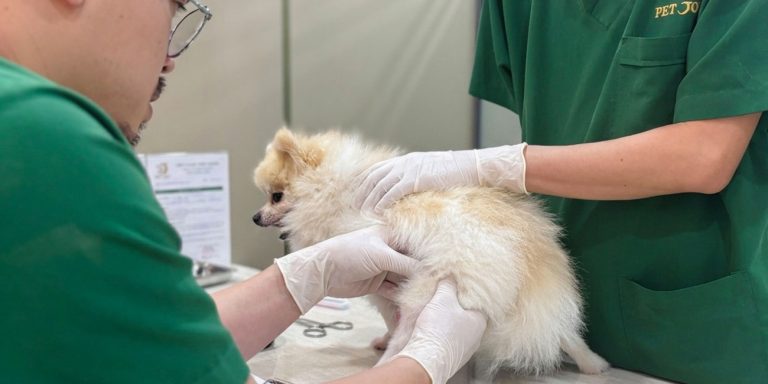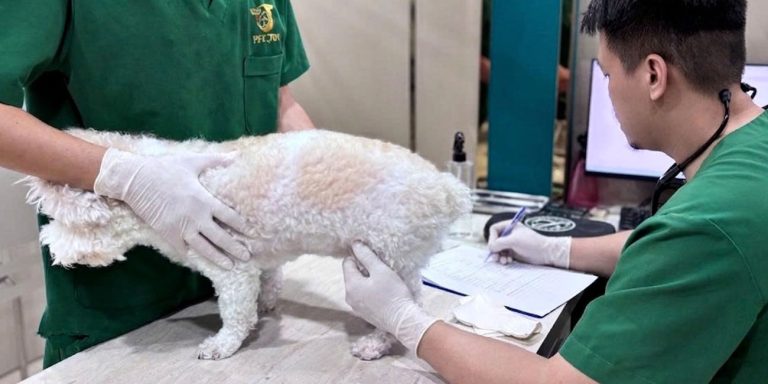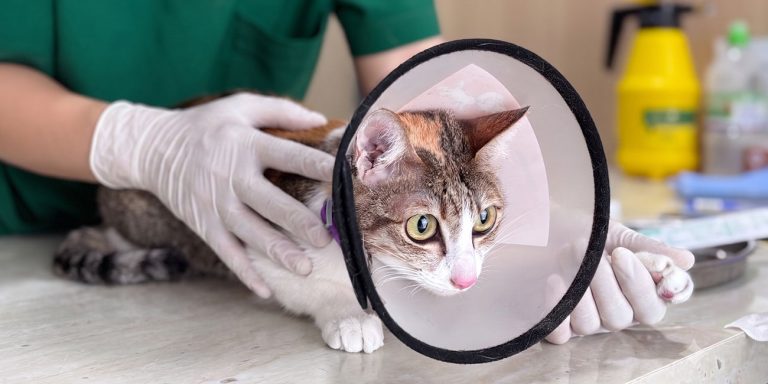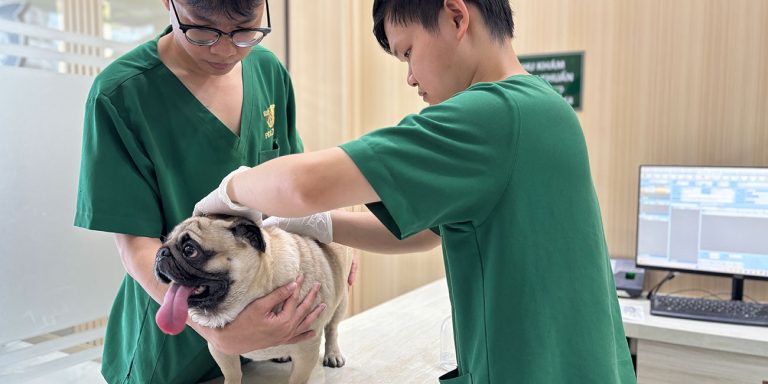

DOGS AND CATS WITH ACUTE DIARRHEA | WHEN SHOULD THEM BE TAKEN TO THE EMERGENCY ROOM?
I. Why are dogs and cats prone to acute diarrhea?
Acute diarrhea in dogs and cats can stem from a variety of causes, ranging from simple digestive disorders to serious conditions such as Parvo, Canine Distemper, hemorrhagic gastroenteritis, or poisoning.
1. Sudden changes in diet.
Switching from one type of grain to another, or going from eating homemade to canned food… all of these can cause the digestive system to not have time to adapt.
2. Eating spoiled food or unfamiliar food.
Rice noodles, fresh milk, chicken bones, greasy food, and food that has fallen on the ground are common causes of acute diarrhea in dogs and cats .
3. Dangerous viral infection
-
Parvo (in dogs and cats)
-
Care (dog)
-
Feline enteritis (FPV)
This group of diseases causes bloody diarrhea, persistent vomiting, rapid dehydration, and can be fatal within 24–48 hours if not treated promptly at a nearby veterinary clinic in District 5 .
4. Intestinal parasitic infections
Hookworms, roundworms, flukes, or protozoan parasites (Coccidia, Giardia).
5. Poisoning
Sudden diarrhea accompanied by tremors, weakness, and drooling may be caused by dogs and cats ingesting poisons such as rat poison, cleaning products, or chemicals.
II. Signs and Symptoms of Acute Diarrhea in Dogs and Cats
Early recognition of symptoms allows pet owners to proactively address the issue and determine when to take their pet to a nearby veterinarian in District 5 for emergency treatment.
1. Persistent diarrhea
-
Loose, watery stools
-
Foamy mucus stool
-
Green, yellow, or black feces
If diarrhea occurs more than 3 times in 6 hours , close monitoring is necessary.
2. Bloody diarrhea
-
Bright red blood
-
Dark, foul-smelling blood
-
Mixed with an unusual foul odor.
This is a medical emergency because it could be Parvo or hemorrhagic enteritis.
3. Persistent vomiting
Vomiting more than 2–3 times per hour, with yellow foam or green fluid.
4. Dehydration
-
Dry nose
-
Skin loses elasticity
-
Sunken eyes
Severe dehydration in dogs and cats can be life-threatening within just a few hours.
5. Loss of appetite – lethargy – fever
Diarrhea accompanied by fatigue is always a warning sign of a serious illness.
III. When Should You Take Your Dog or Cat to the Nearest Veterinary Clinic in District 5 for Emergency Treatment?
Not all cases of diarrhea require emergency care, but if any of the following signs occur , you should take your pet to the nearest veterinarian in District 5 immediately:
1. Diarrhea lasting more than 6 hours and not improving.
This condition causes rapid dehydration, which can lead to shock.
2. Diarrhea with blood or black stools
This is a sign of intestinal bleeding — emergency medical attention is needed.
3. Diarrhea in dogs and cats under 3 months old.
Rejuvenation is extremely sensitive and can be fatal within hours.
4. Persistent vomiting
Vomiting and diarrhea occurring simultaneously => rapid electrolyte loss.
5. Diarrhea after swallowing a foreign object or chemical.
Dangerous signs requiring professional treatment.
6. The body gradually loses consciousness, eyes become sunken, and the person cannot stand steadily.
This is a dangerous stage; you must take it to the nearest veterinarian in District 5 immediately .
IV. Dangerous Risks If You Don’t Seek Veterinary Care Early
1. Severe dehydration
It is the leading cause of death when dogs and cats have acute diarrhea .
2. Multiple organ failure
Without emergency treatment, excessive fluid loss will have the following effects:
-
Liver
-
Kidney
-
Cardiovascular
3. Hypoglycemia
Especially in puppies and kittens.
4. Blood infection
Viral diseases like Parvo can be fatal quickly if intravenous fluids are not administered promptly.
V. Emergency Procedure for Dogs and Cats with Acute Diarrhea at the Nearest Veterinary Clinic in District 5
A reputable veterinary clinic will follow these steps to provide timely treatment:
1. Clinical examination
-
Assess the state of dehydration.
-
Measure body temperature
-
Mucosal examination
2. Rapid disease testing
-
Parvo test
-
Test Care
-
FPV test for cats
3. Abdominal ultrasound
To check for bowel obstruction, enteritis, or foreign bodies.
4. Blood test
Evaluate:
-
Level of dehydration
-
Liver and kidney function
-
Infection
5. Treatment protocol
-
Intravenous fluids to prevent dehydration.
-
Anti-nausea medication
-
Antibiotics (if there is a bacterial infection)
-
Antidiarrheal medications are tailored to the specific cause.
-
Supplement with electrolytes and vitamins.
Severe cases may require 24/7 inpatient monitoring to ensure safety.
VI. Home Care for Dogs and Cats with Acute Diarrhea (Only Applicable When Permitted by a Veterinarian)
If the veterinarian determines it’s a mild case, you can care for your pet at home:
1. Give your pet Oresol or electrolyte solution.
Mix according to the instructions.
2. Fast for 10–12 hours
Give your stomach a rest.
3. Feed soft, easily digestible food.
-
Thin porridge
-
Steamed sweet potatoes
-
Sensitive digestive food for pets
4. Do not use human medicine.
Absolutely avoid smecta, berberine, and human painkillers—as they can cause poisoning.
VII. When Will Dogs and Cats Fully Recover?
Normally:
-
Mild cases: 1–2 days
-
Severe cases (due to viruses): 5–7 days or require inpatient treatment.
-
In cases of parasitic infection: 2–5 days after taking the medication.
If diarrhea recurs , you should return to the nearest veterinarian in District 5 for a check-up.
VIII. Effective Ways to Prevent Acute Diarrhea in Dogs and Cats
1. Get fully vaccinated.
Reduces the risk of Parvo, Canine Distemper, and FPV by 90%.
2. Regular deworming
Every 1–3 months, depending on age.
3. Don’t feed them inappropriate food.
Always maintain control over the living environment.
4. A stable diet
Don’t change foods too quickly.
5. Regularly clean and disinfect livestock pens.
IX. Why Should You Take Your Dog or Cat to the Nearest Veterinarian in District 5 Immediately If They Have Severe Diarrhea?
Taking your pet to the vet in District 5 recently has many benefits:
-
Shorter distance → shorter emergency response time
-
Reduce the risk of dehydration shock.
-
Rapid and accurate testing
-
There are conditions for 24/7 inpatient treatment.
-
Continuous monitoring for complications.
Diseases like Parvo, Canine Distemper, or hemorrhagic enteritis all require immediate emergency treatment. A delay of 30 minutes can sometimes make a life-or-death difference.
X. Conclusion: Don’t Be Complacent When Dogs and Cats Have Acute Diarrhea
Acute diarrhea in dogs and cats is far more dangerous than many people realize. Just a few hours of dehydration can cause shock, a drop in blood pressure, and be life-threatening.
Take your pet to the nearest veterinarian in District 5 immediately if:
-
Bloody diarrhea
-
Continuous vomiting
-
Lethargy – loss of appetite
-
Significant dehydration
-
This refers to puppies and kittens under 3 months old.
Proactive detection and early treatment are key to helping pets overcome critical situations as quickly as possible.
PET JOY VETERINARY HOSPITAL SYSTEM – 24/7 EMERGENCY SERVICE
-
Tan Binh Branch: 399 Hoang Van Thu Street, Tan Son Hoa Ward. Hotline: 0979 063 460.
-
District 5 Branch: 46C Le Hong Phong Street, Cho Quan Ward. Hotline: 0844 951 951.
-
Binh Thanh Branch: 113B Nguyen Huu Canh Street, Thanh My Tay Ward. Hotline: 0797 641 641.
Website: https://petjoyhospital.com/