
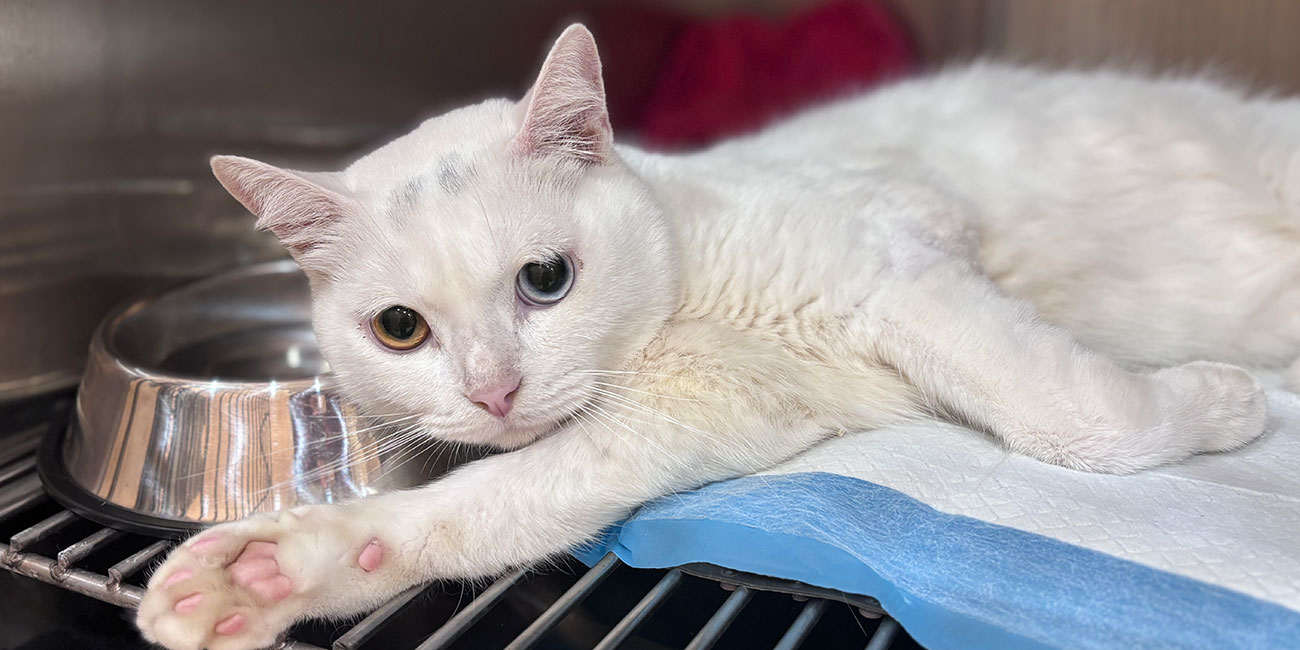
WHAT TO DO IF YOUR CAT STOPS EATING AND WHAT ARE THE SIGNS THAT REQUIRE EMERGENCY CARE?
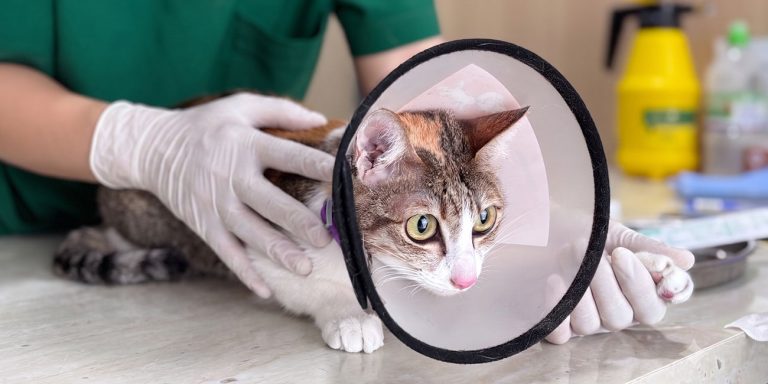
Loss of appetite in cats is common and can occur at any age. However, this is not a simple matter , because if a cat goes without food for more than 24-48 hours , the risk of fatty liver disease , hypoglycemia , dehydration , and even life-threatening conditions increases significantly. Therefore, when a cat suddenly stops eating, becomes anxious, lethargic, or exhibits other unusual symptoms, owners need to immediately identify the cause , apply initial treatment , and take the cat to a veterinary hospital if there are signs of an emergency .
In this article, PetJoy Veterinary Hospital will help you understand:
-
Why is my cat refusing to eat?
-
How many days does it take for a cat to stop eating before it becomes dangerous?
-
Emergency symptoms require immediate hospitalization.
-
Home remedies to help cats get back to eating.
-
When should you seek 24/7 emergency care at PetJoy?
1. Why do cats stop eating? The most common causes.
There are over 20 reasons why cats stop eating. Below are some common causes that cat owners should be aware of:
1.1. Pathological causes
Cats that refuse to eat, are lethargic, vomit, have diarrhea, or withdraw into a corner are often suffering from the following illnesses:
-
Intestinal inflammation – diarrhea – parasites
-
Gastritis caused by eating spoiled food or unfamiliar foods.
-
Fever – infection
-
Tooth inflammation, gingivitis, and plaque buildup cause pain when chewing.
-
Hairball blockage
-
Respiratory illnesses (cat flu, rhinitis, nasal congestion)
-
Kidney failure, cystitis, urinary tract stones
-
Poisoning
-
Fatty liver
-
FIV/FeLV
These are the most dangerous causes , and your cat needs to be taken to the vet immediately.
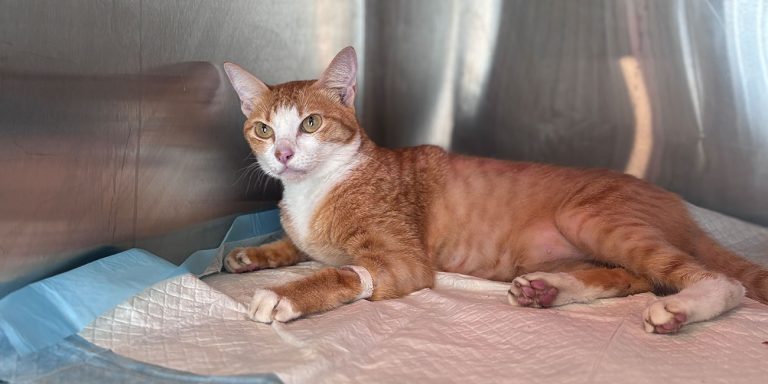
Sick cats stop eating.
1.2. Psychological and environmental causes
Cats are sensitive animals. Even small changes can cause them stress and loss of appetite.
-
Moving house, changing sleeping arrangements, having strangers visit.
-
Loud noise, new pets
-
Change the type of food
-
Being scolded by the owner, being locked up for too long.
-
Stressed cats stop eating.
1.3. Food-related causes
-
The food was too cold, too hot.
-
Food that is spoiled, rancid, or has a bad smell.
-
Switch to a type of kibble/pate that your cat doesn’t like.
-
The cat food is unsuitable.
1.4. Causes due to foreign objects
-
Bones, foreign objects lodged in the mouth/throat
-
Swallowing strings, toys, or plastic can cause intestinal blockage.
This is a medical emergency and should not be treated at home.
Bones or foreign objects stuck in the mouth/throat can also cause cats to stop eating.
2. How long does it take for a cat to stop eating before it becomes dangerous?
Cats have a very low tolerance for starvation. Unlike dogs, cats only need to go without food for 24–48 hours for their livers to start to suffer damage .
Level of danger over time:
-
Less than 24 hours: possibly due to stress, changes in diet — can be treated at home.
-
24–48 hours: danger begins → seek medical attention early.
-
Over 48 hours: risk of fatty liver disease, hypoglycemia , requiring intravenous fluids.
-
Over 72 hours: the risk of death is very high.
Advice from Doctor PetJoy:
“If your cat stops eating for just 24 hours, you should take it to the vet – absolutely do not let it go on for more than 48 hours.”
3. Emergency signs when a cat refuses to eat – take it to the vet immediately.
If your cat shows any of the 12 signs below , you need to take it to the nearest medical facility immediately :
- Vomiting more than 3 times a day: Vomiting white foam, yellow fluid, or blood → risk of pancreatitis, infection, or intestinal obstruction.
- Prolonged diarrhea or bloody diarrhea
- High fever, chills, rapid breathing, gasping for breath: Typical signs of infection or severe respiratory illness.
- Abdominal distension – suspected bowel obstruction
- Limping, loss of balance, convulsions
- Hiding – concealing in dark corners for hours.
- Continuous discharge from the eyes/nose.
- Do not drink water for more than 12 hours.
- Bad breath, swollen and red gums, difficulty opening the mouth.
- Difficulty urinating – cats meow when needing to urinate.
- The period of fasting has exceeded 24–48 hours.
4. What to do if your cat refuses to eat? 10 immediate home remedies.
Here’s the quick treatment procedure recommended by Dr. PetJoy:
4.1. Test drinking water immediately.
Place 2–3 cups of water in various locations. Dehydrated cats will stop eating.
4.2. Warming up food
Cats respond better to smells when their food is slightly warm (35–38°C).
4.3. Try changing your diet.
Try these options:
-
Strongly flavored pâté (tuna – chicken – liver)
-
Liquid treat soup
-
Soft wet food
-
Unsalted bone broth
4.4. Massage to stimulate digestion
Gently stroke your abdomen in a clockwise direction for 5–10 minutes.
4.5. Use digestive enzymes (if the cat is not vomiting)
Helps relieve indigestion.
4.6. Examine the inside of the mouth.
Look for signs:
-
Red
-
Plaque
-
Foreign object
If you suspect a foreign object is lodged in your pet → DO NOT attempt to remove it yourself → take it to PetJoy immediately.
4.7. Create a quiet environment.
Reduce noise and give the cat some space to rest.
4.8. Avoid forceful stuffing.
Forcing cats to eat can make them even more afraid of it.
4.9. If the cat vomits: withhold food for 6 hours.
Then feed them again in small amounts.
4.10. Call the PetJoy Hospital hotline immediately.
If the condition does not improve after 6–12 hours.
5. When should I take my cat to PetJoy Veterinary Hospital?
You should take your cat to PetJoy immediately if:
-
Cat has stopped eating for over 24 hours.
-
The cat has vomiting, diarrhea, and fever.
-
The cat was tired, lethargic, and hiding in a corner.
-
Are there signs of pain or difficulty breathing?
-
The owner could not determine the cause.
-
Suspected hairball obstruction, bowel obstruction.
Why should you get your check-up at PetJoy?
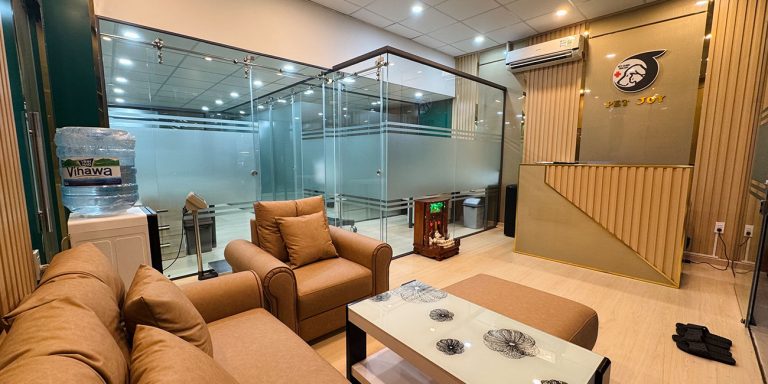
PetJoy Veterinary Hospital is a reputable, specialized, and multidisciplinary veterinary system , with:
-
Three locations in District 5, Binh Thanh District, and Tan Binh District , convenient for all pet owners.
-
Emergency services available 24/7 , rapid response to critical cases.
-
Our team of experienced veterinarians specializes in providing emergency care for cats.
-
Modern equipment: ultrasound, X-ray, biochemical and hematological testing machines.
-
The treatment process is transparent and professional.
-
The dormitory area is airy and safe.
6. Treatment protocol for cats refusing to eat at PetJoy (for reference)
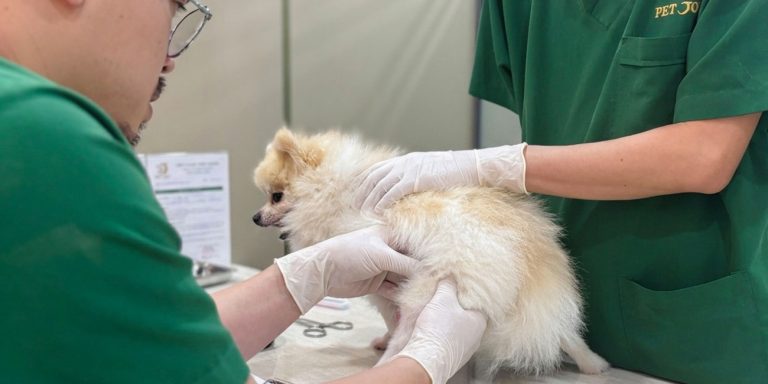
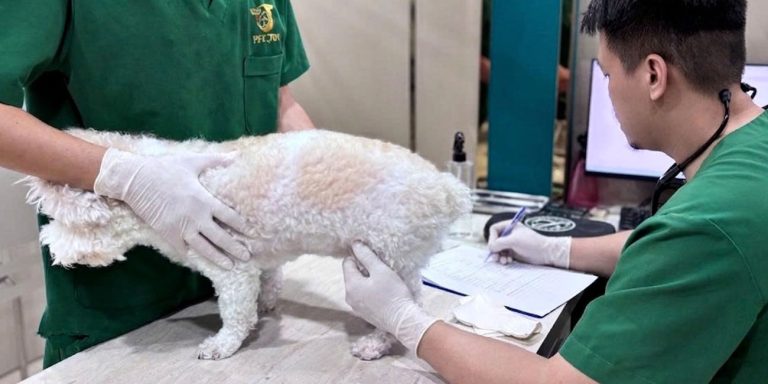
When you bring your cat to PetJoy, the veterinarian will perform the following:
-
General check-up – temperature measurement
-
Blood test
→ Checks liver, kidney, and blood sugar levels -
Abdominal ultrasound
→ Identifying pilonidal obstruction and enteritis. -
X-ray
→ Detection of foreign body, bowel obstruction -
Intravenous fluids and electrolytes
→ Help the cat regain consciousness. -
Appetite stimulant – anti-nausea – pain reliever
-
Inpatient monitoring is recommended if the cat is weak.
Over 80% of cats that refuse to eat and are brought to PetJoy show improvement within the first 24 hours thanks to the correct and timely treatment plan.
7. How to prevent your cat from refusing to eat.
-
Maintain a balanced diet.
-
Brush your pet’s fur daily to reduce hairballs.
-
Regular deworming should be done every 3–6 months.
-
Get fully vaccinated.
-
Avoid changing foods abruptly.
-
Clean the food bowls and water trays daily.
-
Get a health check-up every 6 months.
CONCLUDE
“What should I do if my cat stops eating?” is a very serious question, as it could be a sign of many dangerous diseases . Pet owners need to:
-
Observe carefully during the first 6–12 hours.
-
Apply immediate treatment.
-
Take your cat to the vet if there are any unusual signs.
If your cat is refusing to eat or showing signs of an emergency, take it immediately to the nearest PetJoy Veterinary Hospital for prompt assistance.
PET JOY VETERINARY HOSPITAL SYSTEM – 24/7 EMERGENCY SERVICE
-
Tan Binh Branch: 399 Hoang Van Thu Street, Tan Son Hoa Ward. Hotline: 0979 063 460.
-
District 5 Branch: 46C Le Hong Phong Street, Cho Quan Ward. Hotline: 0844 951 951.
-
Binh Thanh Branch: 113B Nguyen Huu Canh Street, Thanh My Tay Ward. Hotline: 0797 641 641.
Website: https://petjoyhospital.com/